Climate Responsive Naturescape
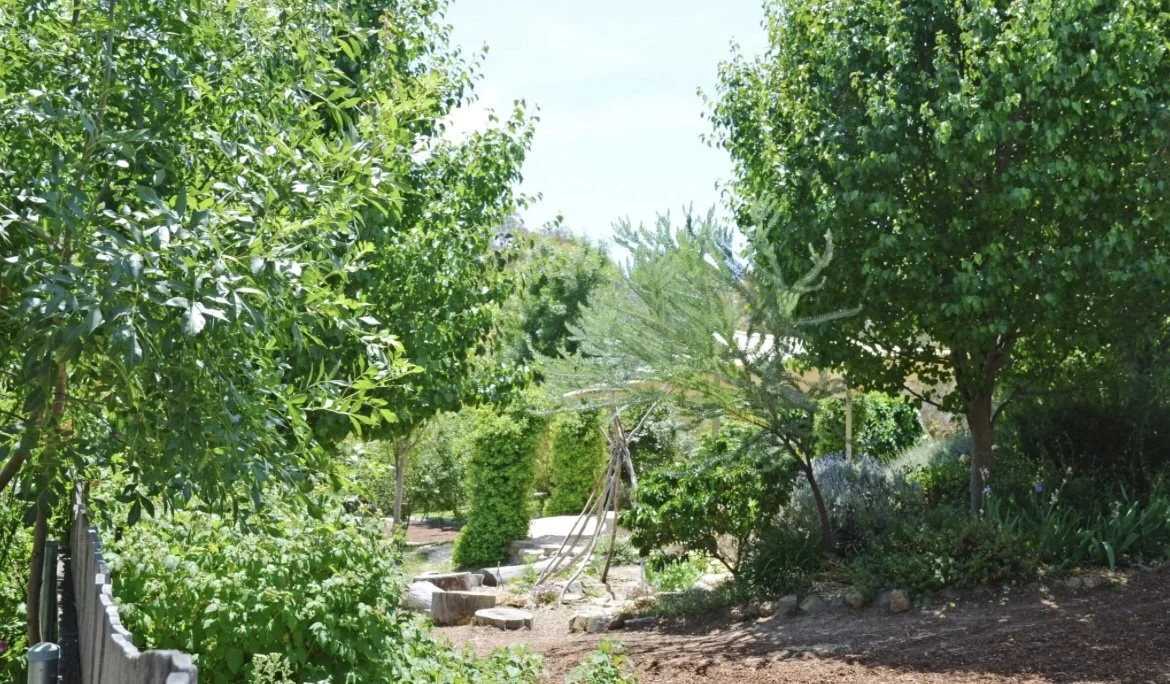
Pictured: The naturescape at Orana Steiner School in Weston, ACT — a project by Paul Barnett Design Group — five years after completion.
The Mount Rogers Primary School Climate Responsive Naturescape Project is an exciting, long-term collaboration between the Mount Rogers Primary P&C and the school’s SEED program, developed in partnership with Paul Barnett Design Group. The project will transform part of the school’s South Oval into a nature-based space that supports the environment while creating new opportunities for learning and play.
This is much more than a planting project. It’s a thoughtful redesign of the school grounds, shaped to respond to a changing climate while giving students a space to explore, learn, and connect with nature.
A landscape designed for a changing climate
As weather patterns change, schools need outdoor spaces that can handle both dry periods and heavy rain, while staying safe and usable for students. This naturescape has been designed with that in mind.
It will capture and slow rainwater using features like swales (gentle channels in the ground) and natural drainage areas, helping to reduce runoff and make better use of water. The design also improves soil health and reduces erosion, creating a stronger and more stable landscape over time.
Planting has been carefully planned to support local wildlife and increase biodiversity, while also helping to cool the area and make it more comfortable for students to use. Together, these elements create a space that works with the natural environment, rather than against it.
A space for play, imagination, and connection
Alongside its environmental benefits, the naturescape is being designed as a space for play, imagination, and connection. It will be a non-directive play environment, meaning students can explore and engage in ways that suit them best, helping them feel confident, capable, and included.
The space will include natural, flexible elements that encourage open-ended play, while still keeping areas for sports and games that need more room. Students might build cubbies using branches and natural materials, create their own obstacle courses using logs and rocks, or take part in imaginative games like village building or survival scenarios. They’ll also be able to explore how water moves through the space during rain, or simply enjoy quiet moments alone or in small groups.
Connected to the SEED program, the naturescape will also function as an outdoor classroom. It will support hands-on learning about sustainability, ecology, and food systems, giving students real-world experiences that go beyond the classroom. Importantly, students won’t just use the space—they’ll play an active role in shaping and caring for it over time.
Connecting with the broader community
While the naturescape is designed for students, its benefits will extend well beyond the school gates. This project is an opportunity to share practical, local solutions for living with a changing climate, and to bring the wider community along on that journey.
We plan to document and share the process as the project evolves, offering insight into what’s working, what we’re learning, and how others might apply similar ideas in their own spaces. The naturescape will also be opened up to the community through events such as SEED open days and a (watch this space) 2027 Harvest Festival, creating opportunities for families and local residents to explore the space and connect with the project firsthand.
Informative signage throughout the naturescape will help tell the story of the landscape, explaining how features like water capture, planting, and soil systems work together, and why they matter. In this way, the space becomes not just a place to learn and play, but a shared community resource that builds knowledge, connection, and confidence in responding to environmental change.
A staged, community-led project
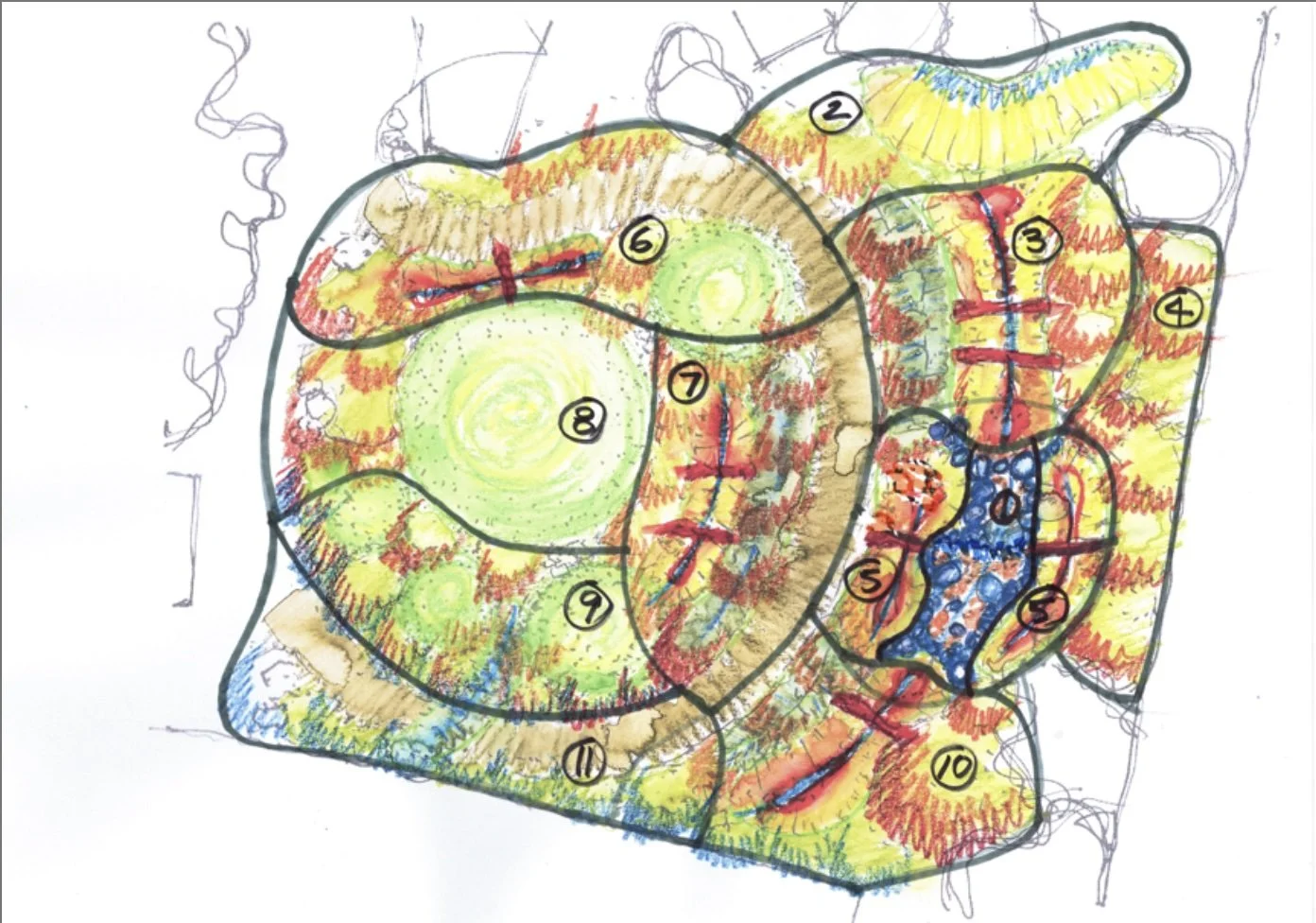
The design has been divided into 11 sections, allowing the project to grow over time as funding becomes available. These sections will be delivered in stages, with each stage bringing together one or more sections depending on priorities, funding, and logistics. For example, multiple sections may be completed together within a single stage.
Each stage will begin with earthworks to establish the structure of the landscape, followed by community-led planting and activation.
Volunteers will play a vital role throughout the process, particularly during the planting phases, helping to bring the space to life and strengthen community connection along the way.
This project is about more than creating a beautiful space—it’s about building resilience, fostering creativity, and giving our children the tools to engage with the natural world in meaningful ways as the climate continues to change.
Stage 1: Laying the Foundations
The P&C is honoured to have received an ACT Communities Climate Action Grant, which will fund a substantial portion of the first stage of the project. This support provides a strong foundation for bringing the naturescape to life. The P&C has committed to fundraising for the remaining costs, ensuring this stage can be delivered in full and setting the project up for continued progress in the years ahead.
Stage 1 will deliver Sections 1 and 5 of the design, focusing on establishing the core water-sensitive foundations of the naturescape. This includes the construction of a dry creek bed, surrounding swales, and microforest plantings designed to slow, spread, and absorb water across the site. These elements will improve soil health, support vegetation growth, and increase the landscape’s resilience to both heat and changing rainfall patterns.
This stage will begin with specialised earthworks to shape the land and establish these foundational features. It will then be brought to life through community-led planting and activation, with students, families, and volunteers playing a key role in creating and caring for the space
Get Involved
The Climate Responsive Naturescape Project is a true community effort, and there are many ways to be part of bringing it to life.
As each stage progresses, there will be opportunities to get involved in hands-on ways—particularly during planting phases, where volunteers will help establish and shape the landscape. No prior experience is needed, just a willingness to lend a hand.
We’ll also run fundraising initiatives to support the project as it grows. These may include events specifically dedicated to the naturescape, such as our 2026 Trivia Night.
For more ways to contribute, check out our general How to Get Involved information.